
Add products by adding codes
End Rods / Uniballs
( number of products: 607 )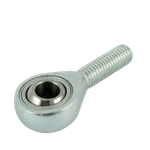

Rod end / linkage head – uniball GAXSW 10x1 MS FLURO – M10x1 right-hand external (male)

Rod end / linkage head – uniball GALXSW 16x1.5 FLURO – M16x1.5 left-hand external (male)

Tie rod end / tie rod end - uniball GALXSW 16x1.5 MS FLURO - M16x1.5 (male)
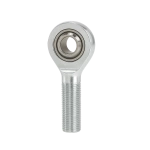
Tie rod end / rod end - uniball EAL 45-2RS/TFEL 45 MK-2RS FLURO - M36×3 left-hand external (male)
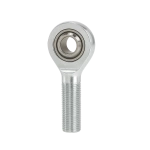
Tie rod end / rod end - uniball EAL 45 D-2RS FLURO - M42×3 left-hand external (male)

Rod end / linkage head - uniball EAL 12 D FLURO - M10 left-hand external (male)

Tie rod end / rod end – uniball GALRS 20 R FLURO – M20x1.5 left-hand external (male)

Tie rod end / rod end - uniball EIL 40 D-2RS FLURO - M39x3 left-hand internal (female)

Tie rod end / rod end - uniball EIL 35 D-2RS FLURO - M36x3 left-hand internal (female)

Tie rod end / rod end - uniball EIL 20 D-2RS FLURO - M20×1.5 left-hand internal (female)

Rod end / tie rod end - uniball EI 40 D-2RS FLURO - M39x3 right-hand internal (female)

Rod end / tie rod end - uniball EI 30 D-2RS FLURO - M30x2 right-hand internal (female)

Rod end / tie rod end - uniball EI 25 D-2RS FLURO - M24x2 right-hand internal (female)

Rod end / tie rod end - uniball EI 20 D-2RS FLURO - M20x1.5 right-hand internal (female)

Rod end / tie rod end - uniball EI 17 D-2RS FLURO - M16 right-hand internal (female)

Rod end / linkage head - uniball EIL 10 So M8 FLURO - M8 left-hand internal (female)

Tie rod end / rod end - uniball EAL 35 D-2RS FLURO - M36×3 left-hand external (male)

Tie rod end / rod end - uniball EAL 25 D-2RS FLURO - M24×2 left-hand external (male)

Tie rod end / rod end - uniball EAL 17 D-2RS FLURO - M16 left-hand external (male)

Rod end / linkage head – uniball EA 40 D-2RS FLURO – M39x3 right-hand external (male) thread.

Rod end / linkage head – uniball EA 35 D-2RS FLURO – M36x3 right-hand external (male) thread.

Rod end / linkage head – uniball EA 30 D-2RS FLURO – M30x2 right-hand external (male) thread.

Rod end / linkage head – uniball EA 25 D-2RS FLURO – M24x2 right-hand external (male) thread.

Rod end / linkage head – uniball EA 20 D-2RS FLURO – M20x1.5 right-hand external (male) thread.

Rod end / linkage head – uniball EA 17 D-2RS FLURO – M16 right-hand external (male) thread.

Tie rod end / tie rod end - uniball GARSW 35 RR FLURO - M36x2 right (male)

Tie rod end / tie rod end - uniball GARSW 12x1.25 RR FLURO - M12x1.25 right (male)

Tie rod end / tie rod end - uniball GARSW 12x1.25 FLURO - M12x1.25 right (male)


Rod-end head / rod end – uniball GASW 18 FLURO – M18×1.5 right-hand external (male)
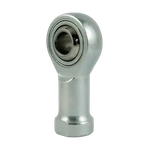

Rod end / linkage head - uniball GIS 30 FLURO - M27x2 right-hand internal (female)

Rod end / linkage head - uniball GIS 20x2.5 FLURO - M20 right-hand internal (female)

Rod-end head / rod end – uniball GILXSW 30 FLURO – M30×2 left-hand internal (female)

Rod-end head / rod end – uniball GILXSW 25 FLURO – M24×2 left-hand internal (female)

Rod-end head / rod end – uniball GILXSW 14.NIRR FLURO – M14 left-hand internal (female)

Rod-end head / rod end – uniball GILXSW 8 FLURO – M8 left-hand internal (female)

Rod-end head / rod end – uniball GILXSW 18 FLURO – M18×1.5 left-hand internal (female)

Rod-end head / rod end – uniball GILXSW 16x1.5 FLURO – M16x1.5 left-hand internal (female)

Rod-end head / rod end – uniball GILXSW 16 FLURO – M16 left-hand internal (female)

Rod-end head / rod end – uniball GILXSW 12 FLURO – M12 left-hand internal (female)

Rod-end head / rod end – uniball GILXSW 10 FLURO – M10 left-hand internal (female)

Rod-end head / rod end – uniball GILXS 30 FLURO – M30x2 left-hand internal (female)

Rod-end head / rod end – uniball GILXS 20 FLURO – M20×1.5 left-hand internal (female)

Rod-end head / rod end – uniball GILXS 10 FLURO – M10 left-hand internal (female)

Testa a Snodo - Uniball GILRSW 30 FLURO - M30x2 left-hand internal (female)

Rod end / tie rod end - uniball GILRSW 20x2.5 RR FLURO - M20 left-hand internal (female)

Tie rod end / rod end – uniball GILRS 8 R FLURO – M8 left-hand internal (female)

Tie rod end / rod end – uniball GILRS 6 R FLURO – M6 left-hand internal (female)

Tie rod end / rod end – uniball GILRS 3 R FLURO – M3 left-hand internal (female)

Tie rod end / rod end – uniball GILRS 25 R FLURO – M24x2 left-hand internal (female)

Tie rod end / rod end – uniball GILRS 22 R FLURO – M22x1.5 left-hand internal (female)

Tie rod end / rod end – uniball GILRS 20 R FLURO – M20x1.5 left-hand internal (female)

Tie rod end / rod end – uniball GILRS 16x1.5 R FLURO – M16x1.5 left-hand internal (female)

Tie rod end / rod end – uniball GILRS 16 R FLURO – M16 left-hand internal (female)

Tie rod end / rod end – uniball GILRS 14 R FLURO – M14 left-hand internal (female)

Tie rod end / rod end – uniball GILRS 12 R FLURO – M12 left-hand internal (female)

Tie rod end / rod end - uniball GILRS 30 FLURO - M30x2 left-hand internal (female)

Tie rod end / rod end - uniball GILRS 25 FLURO - M24x2 left-hand internal (female)

Tie rod end / rod end – uniball GALRS 22 FLURO – M22x1.5 left-hand external (male)

Rod end / linkage head – uniball GALXSW 14x1.5 MS FLURO – M14x1.5 left-hand external (male)

Tie rod end / rod end - uniball GALXSW 10 FLURO - M10 left-hand external (male)

Tie rod end / rod end - uniball GILRS 10x1.25 R FLURO - M10x1.25 left-hand internal (female)

Tie rod end / rod end - uniball GILRS 12 FLURO - M12 left-hand internal (female)

Tie rod end / rod end – uniball GILRS 10 R FLURO – M10 left-hand internal (female)

Tie rod end / rod end – uniball GILS 3 FLURO – M3 left-hand internal (female)

Tie rod end / rod end – uniball GILS 20x2.5 FLURO – M20 left-hand internal (female)

Tie rod end / rod end – uniball GILS 6 FLURO – M6 left-hand internal (female)

Tie rod end / rod end – uniball GILS 8 FLURO – M8 left-hand internal (female)

Tie rod end / rod end – uniball GILS 5 FLURO – M5 left-hand internal (female)

Tie rod end / rod end – uniball GILS 30 FLURO – M30x2 left-hand internal (female)

Tie rod end / rod end – uniball GILS 25 FLURO – M24x2 left-hand internal (female)

Tie rod end / rod end – uniball GILS 20 FLURO – M20x1.5 left-hand internal (female)

Tie rod end / rod end – uniball GILS 18 FLURO – M18x1.5 left-hand internal (female)
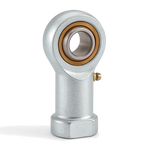
Tie rod end / rod end – uniball GILS 16x1.5 FLURO – M16x1.5 left-hand internal (female)

Tie rod end / rod end – uniball GILS 14 FLURO – M14 left-hand internal (female)

Tie rod end / rod end - uniball GILS 12x1.25 FLURO - M12x1.25 left-hand internal (female)

Tie rod end / rod end - uniball GILS 12 FLURO - M12 left-hand internal (female)

Rod end / linkage head - uniball GIS 10 FLURO - M8 right-hand internal (female)

Rod end / linkage head - uniball GIS 10 FLURO - M10x1.25 right-hand internal (female)

Rod end / linkage head - uniball GIS 10 FLURO - M10x1 right-hand internal (female)

Rod end / linkage head - uniball GIS 6 FLURO - M4 right-hand internal (female)

Rod end / linkage head - uniball GIS 8 FLURO - M8 right-hand internal (female)

Rod end / linkage head - uniball GIS 5 FLURO - M5 right-hand internal (female)

Rod end / linkage head - uniball GIS 40 FLURO - M42x2 right-hand internal (female)

Rod end / linkage head - uniball GIS 35 FLURO - M36x1.5 right-hand internal (female)

Rod end / linkage head - uniball GIS 35 FLURO - M36x2 right-hand internal (female)

Rod end / linkage head - uniball GIS 30 FLURO - M30x2 right-hand internal (female)

Rod end / linkage head - uniball GIS 25 FLURO - M24x2 right-hand internal (female)

Rod end / linkage head - uniball GIS 22 FLURO - M22x1.5 right-hand internal (female)

Rod end / linkage head - uniball GIS 20 FLURO - M20x1.5 right-hand internal (female)

Rod end / linkage head - uniball GIS 18 FLURO - M18x1.5 right-hand internal (female)

Rod end / linkage head - uniball GIS 16x1.5 FLURO - M16x1.5 right-hand internal (female)

Rod end / linkage head - uniball GIS 16x1.25 FLURO - M16x1.25 right-hand internal (female)

Rod end / linkage head - uniball GIS 16 FLURO - M16 right-hand internal (female)

Rod end / linkage head - uniball GIS 14x1.5 FLURO - M14x1.5 right-hand internal (female)
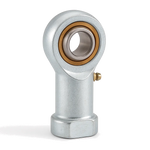
Rod end / linkage head - uniball GIS 14 FLURO - M14 right-hand internal (female)

Rod end / linkage head - uniball GIS 12x1.5 FLURO - M12x1.5 right-hand internal (female)

Rod end / linkage head - uniball GIS 12x1.25 FLURO - M12x1.25 right-hand internal (female)

Rod end / linkage head - uniball GIS 12 FLURO - M12 right-hand internal (female)
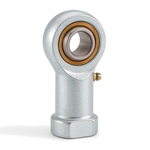
Tie rod end / rod end - uniball GILS 10x1.25 FLURO - M10x1.25 left-hand internal (female)
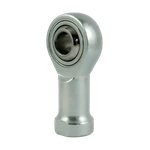
Rod end / tie rod end - uniball GILO 8 FLURO - M8 left-hand internal (female)

Tie rod end / rod end – uniball GILO 16 FLURO – M16 left-hand internal (female)

Tie rod end / rod end - uniball GILO 12 FLURO - M12 left-hand internal (female)

Tie rod end / rod end - uniball GILO 10 FLURO - M10 left-hand internal (female)

Rod end / tie rod end - uniball GAXSW 10 FLURO - M10 right-hand external (male)

Tie rod end / rod end - uniball GALXSW 8 MS FLURO - M8 left-hand external (male)

Tie rod end / rod end - uniball GALXSW 8 FLURO - M8 left-hand external (male)

Rod end / linkage head – uniball GALXSW 6 MS FLURO – M6 left-hand external (male)

Rod end / linkage head – uniball GALXSW 6 FLURO – M6 left-hand external (male)

Rod end / linkage head – uniball GALXSW 30 FLURO – M30x2 left-hand external (male)

Rod end / linkage head – uniball GALXSW 25 MS FLURO – M24x2 left-hand external (male)

Rod end / linkage head – uniball GALXSW 22 FLURO – M22x1.5 left-hand external (male)

Rod end / linkage head – uniball GALXSW 20 FLURO – M20x1.5 left-hand external (male)

Rod end / linkage head – uniball GALXSW 18 FLURO – M18x1.5 left-hand external (male)

Rod end / linkage head – uniball GALXSW 16 MS FLURO – M16 left-hand external (male)

Rod end / linkage head – uniball GALXSW 16 FLURO – M16 left-hand external (male)

Rod end / linkage head – uniball GALXSW 14x1.5 FLURO – M14x1.5 left-hand external (male)
Uniball Rod Ends for Suspension
Uniball rod ends (also called spherical rod ends or heim joints) are mechanical components with a swivel structure, used in applications requiring large articulation angles, precise movement control and resistance to vibration and overload. Our selection includes only FLURO rod ends – a German manufacturer specialized in high-performance spherical bearings for motorsport, industry, automation, and special vehicles.
FLURO Rod Ends – Precision and Durability
FLURO products guarantee dimensional accuracy, repeatability, and material strength. Available types include EA, EA-D, EA-2RS (sealed versions), GALRS, GARSW, GIS, GILXSW, and GILRSW. Depending on the version, they offer:
- steel or stainless steel construction (e.g. FLURO-D-NIRO),
- PTFE-lined sliding surfaces for maintenance-free operation,
- 2RS sealing against dirt, moisture, and debris,
- radial and axial load capacity according to DIN 648 standards.
FLURO uniball rod ends are commonly used in high-performance vehicle suspension systems, steering links, stabilizer bars, actuators, and industrial machinery. They are also key components in adjustable suspension arms and camber kits in motorsport builds.
Spherical Bearings – How They Work
Spherical bearings used inside uniball rod ends consist of an outer ring and a spherical inner ring. They allow multi-axis articulation to compensate for misalignment and transfer dynamic loads. This design ensures long service life even under extreme use.
2RS Sealed Rod Ends – Off-Road Ready
Models with the 2RS designation feature double rubber seals to protect the bearing insert from dust, dirt and water. These sealed uniball rod ends are ideal for off-road, rally, drift, and industrial environments where contaminants or moisture are present.
Spherical Bearings for Arms – Thread Type and Direction
Depending on the suspension or linkage construction, we offer rod ends with:
- male or female threads – for external or internal mounting,
- right-hand or left-hand threads – allowing quick length adjustment in linkages,
- available sizes from M8 to M30x2,
- standard or fine thread pitch (e.g. M12x1.25).
Popular configurations include EA 30 D-2RS M30x2 right-hand, GALRS 20 R M20x1.5 left-hand, and GILXSW 16x1.5 female left-hand. Each model has a defined working angle and axial load rating, which should be selected according to the application requirements.
Uniball in Motorsport – Applications in Racing and Tuning
Uniball rod ends are widely used in drift cars, circuit cars, off-road vehicles, and RWD/4x4 platforms with modified suspension. They improve steering precision, eliminate play, and allow adjustment of suspension geometry to suit track or terrain conditions.
Thanks to their non-elastic construction (unlike traditional rubber bushings), they ensure direct force transfer without delays or deformation. Models such as GARSW, EA-2RS, and GILRSW are commonly found in push-rod systems, camber kits, and roll cage-integrated steering linkages.
FAQ – Frequently Asked Questions
How do I select the correct uniball rod end for my suspension or linkage?
Key parameters to consider:
- Thread size (e.g. M12, M16, M30x2),
- Thread type: male (external) or female (internal),
- Thread direction: right-hand (R) or left-hand (L),
- Radial and axial load capacity – important in motorsport suspension,
- Working angle – critical for long-travel or high-articulation systems,
- Sealing – 2RS versions are recommended for dusty or wet conditions.
What is the difference between 2RS sealed and open rod ends?
2RS sealed rod ends feature rubber seals on both sides to block out water, mud, and dirt. They’re recommended for off-road, heavy-duty, or industrial environments where exposure to contaminants is common.
Open (non-sealed) versions offer full articulation range and lighter weight but require more frequent inspection and maintenance.
What’s the difference between left-hand and right-hand threads?
Right-hand thread (R) is standard – tighten clockwise. Left-hand thread (L) tightens counter-clockwise. Used in pairs, these allow quick length adjustment by rotating a center link (e.g. threaded tube), which is common in motorsport and adjustable suspension arms.
Where are FLURO rod ends typically used?
Common applications include:
- adjustable control arms (camber arms, toe arms, trailing arms),
- reaction rods and stabilizers in RWD/4x4 systems,
- hydraulic and pneumatic actuators,
- steering linkages in roll cage-equipped vehicles (e.g. buggies),
- industrial systems: construction equipment, cranes, valves, manipulators.
Are uniball rod ends a replacement for rubber bushings?
No – they are not direct replacements. Uniballs provide rigid, zero-play connections, whereas rubber bushings (silent blocks) absorb vibrations and offer more ride comfort. Uniballs are better suited for motorsport and performance builds, but may increase NVH (noise, vibration, harshness) in daily-driven vehicles.
How to tell if a rod end is male or female?
Male rod ends have external threads on the shank (e.g. EA, GARSW series).
Female rod ends have internal threads inside the body (e.g. GALRS, GILXSW series).
Both types are available in right- and left-hand thread versions and are often used in pairs within adjustable suspension systems.